
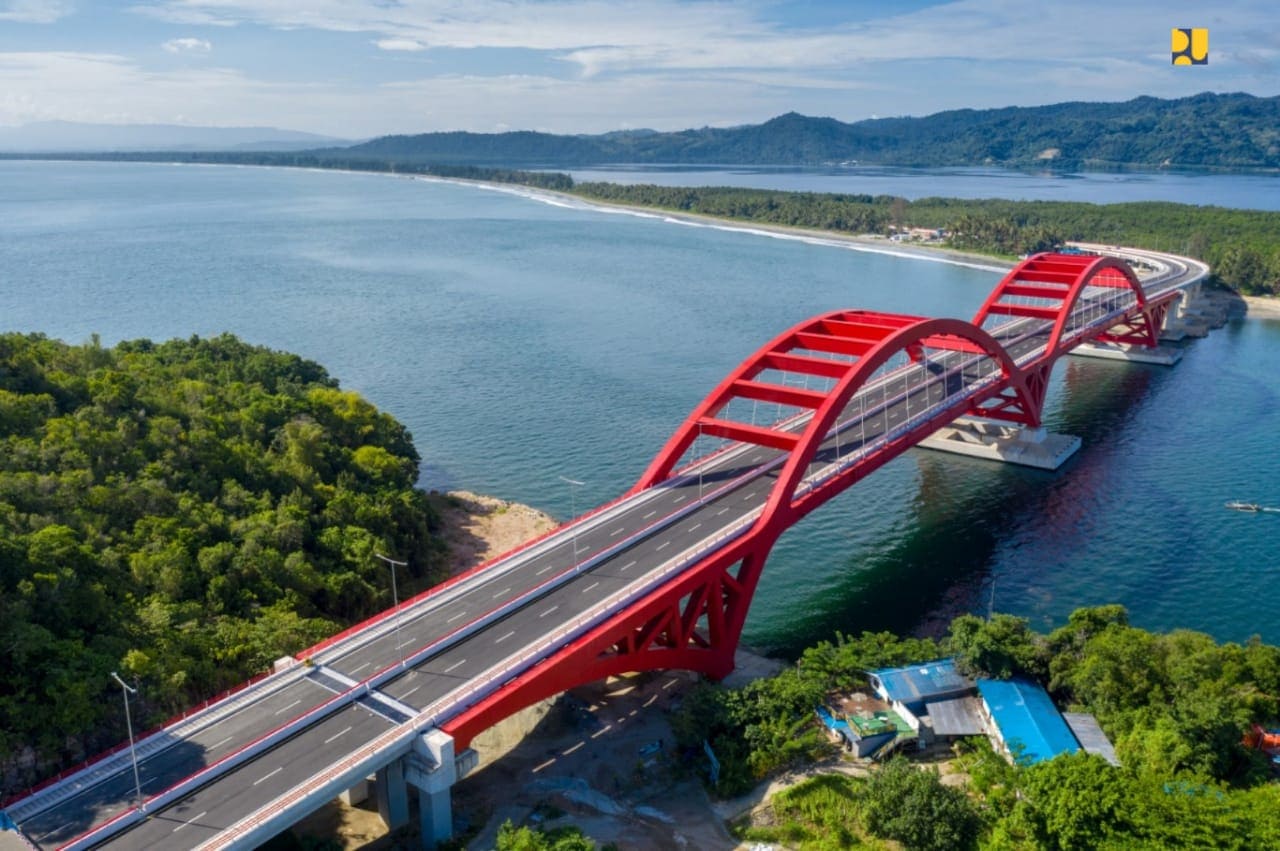
Cracked bridge members and deteriorated jetty piles both need a clear investigation before repair is specified. Their loads, exposure, access, and operating restrictions are different, so a suitable detail for a bridge beam cannot simply be transferred to a marine pile.
Struktura supports assessment, repair, and strengthening of bridges and marine structures for asset owners, consultants, contractors, and facility teams. The scope connects the observed condition to the intended loading, design requirement, work access, and inspection plan.
When to Review the Existing Structure
- Concrete cracks, spalls, exposes reinforcement, or shows recurring deterioration.
- Corrosion, member damage, or defects are recorded during inspection.
- Traffic, equipment, cargo, utilities, or other operating loads are changing.
- Repairs have repeatedly failed or the cause of damage remains uncertain.
- A bridge, jetty, or port operator needs a defined rehabilitation or strengthening package.
- Available records do not adequately describe the affected elements or previous modifications.
Bridge and Marine Work Have Different Requirements
Bridges and flyovers
Identify the affected beams, slabs, piers, columns, and other supports together with the relevant loading and inspection history. A condition survey, suitable testing, and capacity evaluation may be needed before selecting repair or reinforcement. Traffic management, access below the deck, temporary support, and the sequence of inspection and construction are part of work planning.
Jetties and port structures
Review the relevant deck, beams, piles, pile caps, connections, and supporting elements in the context of marine exposure and the asset's use. The condition near the waterline or below the deck can differ from accessible upper surfaces. Tides, marine access, operating restrictions, and the condition of the substrate influence the feasible investigation and repair arrangement.
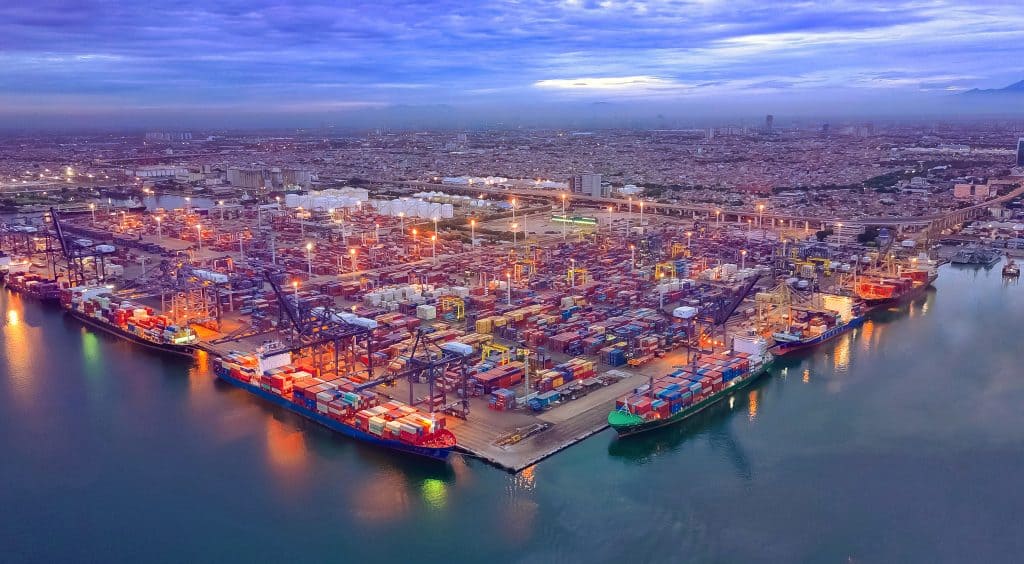
Submerged and difficult-access areas
Agree how inaccessible zones will be inspected and what information is needed before a repair detail is fixed. Underwater inspection or construction requires a separately defined access, personnel, equipment, and method scope. A reinforcement system suitable for a dry concrete surface must not be assumed suitable for underwater application.
Define the Asset Decision and the Work Boundary
A bridge owner may need recommendations for deteriorated members, an evaluation for changed loading, or a designed strengthening package. A jetty operator may need to understand pile or deck deterioration while maintaining access for port operations. Identify that decision before treating the enquiry as a general concrete repair request.
| Asset requirement | Questions for the engineering review | Starting information |
|---|---|---|
| Repair deteriorated bridge members | Cause and extent of deterioration; affected members; repair boundaries and any capacity evaluation required. | Inspection reports, damage locations, member drawings, repair history and access information. |
| Review changed bridge loading | The proposed load arrangement, affected structural system, existing condition and evaluation scope. | Current and proposed use, load information, drawings, modification records and inspection history. |
| Repair jetty piles or deck members | Condition in accessible and difficult-access zones; exposure; repair and strengthening objectives. | Asset layout, member locations, photographs, previous inspection and marine operating information. |
| Upgrade a port operating area | Loads and support points of the proposed operation; effects on the relevant deck, beams, piles or other supports. | Equipment or cargo loading, operating layout, structural records, vessel and site access constraints. |
The proposal should state which elements and exposure zones are included. A deck-level visit does not describe every part of a pile or the condition beneath an inaccessible deck. Where further access or inspection is needed, identify it as a defined task rather than leaving it outside the decision process.
Investigation and Strengthening Options
An assessment scope can combine inspection records, structural drawings, condition mapping, material checks, and capacity evaluation where required. The investigation should distinguish local damage from wider deterioration and describe the limits of the available information.
Potential work includes concrete repair, reinforcement treatment, FRP/CFRP strengthening, jacketing, or steel reinforcement where supported by the design. Surface condition, anchorage, exposure, loading, and protection requirements influence the selected detail. Agree a structural engineering design scope for the calculations, drawings, specifications, and quantities needed before execution.
Repair, Reinforcement, and Protection Need Different Details
Repair may address damaged material; strengthening adds or modifies the structural resistance required by the design. Protection addresses the exposure or deterioration mechanism within the agreed system. An asset may need all three, but their purposes and quantities should remain clear in the work package.
| Option to discuss | Design or repair purpose | Important scope conditions |
|---|---|---|
| Concrete repair and reinforcement treatment | Reinstate a defined repair zone and address the affected reinforcement condition. | Extent of unsound material, access to the zone, preparation, repair boundaries and exposure. |
| FRP/CFRP reinforcement | Strengthen suitable concrete members to an agreed detail. | Member condition, available bonding faces, anchorage, moisture, material system and protection. |
| Jacketing or added reinforcement | Provide a designed arrangement for the affected member. | Geometry, load transfer, connections, access, working conditions and temporary support. |
| Steel reinforcement or connection work | Address a defined member or connection requirement. | Existing material condition, fitting and connection details, access and corrosion protection. |
| Marine or underwater work | Investigate or execute a specifically designed scope in difficult-access or submerged zones. | Inspection method, personnel, equipment, tide and operating constraints, materials and acceptance requirements. |
For marine work, clarify which surfaces can be prepared and inspected under the proposed working conditions. An installation sequence relying on dry access has a different scope from work on a submerged member. Material selection, preparation, installation, and acceptance must be developed for the actual detail and environment.
For bridge work, identify the relationship between traffic management, temporary works, access platforms, and the member being repaired or strengthened. These can affect feasibility and programme as much as the reinforcement detail.
Assessment Outputs that Support Procurement
The condition record should identify the members and zones inspected, the observed defects, the supporting information, and any areas not accessible. Testing or further verification should be linked to the question it must answer. If capacity evaluation is included, define the loading, structural information, assumptions, and evaluation boundary.
Recommendations should distinguish a defined repair package, elements needing strengthening design, additional investigation, and any operational conditions arising from the review. Where design is required, agree the calculations, drawings, specifications, quantities, inspection stages, and relevant temporary-work interfaces.
For an asset owner using separate design and construction contracts, establish how contractor proposals and installation details will be checked against the design intent. State the required submission and review process in the procurement package.
Access and Operation Are Part of the Construction Scope
A technically suitable repair detail still needs a workable method of reaching the structure and inspecting each stage. Discuss access with the operator before committing to a construction programme.
- Identify traffic routes, operating zones, vessel or port interfaces, and periods when access can be made available.
- Define work platforms, lifting or marine equipment, temporary support, and the responsible parties for their design and operation.
- State the inspection access needed before, during, and after the repair or reinforcement installation.
- Include surface preparation, material waiting times, environmental restrictions, and protection of completed work.
- Agree what evidence and inspections support acceptance and the return to the intended loading or operation.
The work programme should identify dependencies on tide conditions, operator access, other contractors, and inspections where relevant. Mobilisation to a remote asset also needs to account for the personnel, equipment, and materials required for the agreed scope.
What Changes the Price of Bridge or Marine Work?
Affected member quantities are one part of the cost. Access systems, marine equipment, traffic or operational restrictions, temporary works, preparation, deterioration discovered during opening up, and the required inspection and documentation can materially change the package.
Request separate identification of investigation, engineering, access, temporary works, structural repair or strengthening, protection, and handover deliverables. Explain what facilities and access the owner will provide. Agree how additional defects or changes to quantities will be documented and reviewed.
For an early proposal discussion, send a marked asset layout and existing inspection records with the stated project objective. This helps establish whether the next task is a condition investigation, capacity review, designed rehabilitation package, or execution of an already approved detail.
From Discussion to an Agreed Work Scope
- Share the project objective, location, available records, and the decision your team needs to make.
- Define inspection, verification, testing, and capacity review where the existing information is insufficient.
- Agree recommendations, design deliverables, quantities, and responsibilities before comparing construction proposals.
- Plan the access, work sequence, inspection points, and handover requirements for the agreed construction scope.
Data to Send for a Proposal
Send the asset location, bridge or marine structure type, affected members, damage photographs, drawings, loading changes, inspection records, and traffic or marine access restrictions. Previous reports and modification history are useful where available. If drawings are missing, explain what is known so the required site verification can be identified.
Investigation, design, temporary works, and construction should be identified explicitly in the proposal. Survey fees are waived only after a PO has been issued or a contract has been signed, and the down payment has been received.
Frequently Asked Questions
Can the bridge or jetty remain in service?
That depends on the structural condition, design, temporary works, operating restrictions, and approved construction sequence. Agree the permitted loading and access arrangements for each stage rather than assuming continuous use.
Is FRP suitable for every marine element?
No. Suitability depends on the member, substrate, moisture or immersion condition, exposure, design, and material system. Marine or underwater work requires a detail and method established for that environment.
What records should an asset owner provide?
Useful records include drawings, previous inspection and repair reports, loading information, damage maps, photographs, operating constraints, and available access arrangements. Missing information may require additional investigation.
Can you price work from an existing inspection report?
It can support an initial scope discussion. The report, drawings, quantities, loading, and access information need to be reviewed to identify whether further investigation, design, or clarification is required before execution pricing.
Does inspection above the deck cover the whole marine structure?
Not necessarily. The inspection scope should state which deck, underside, pile and other zones were accessed. Difficult-access or submerged elements may need separate arrangements and investigation.
What does a separate design package need to include?
Agree the affected elements, calculations, drawings, material requirements, quantities, inspection stages, design assumptions, and temporary-work interfaces. Identify who reviews contractor submissions and changes during execution.
Which owner-supplied facilities affect a marine quotation?
Access to the asset, operating windows, marine or lifting equipment, storage, work platforms, and other facilities can affect the price and programme. State the available arrangements and responsibilities in the enquiry.
Can one marine repair system be used throughout the asset?
The appropriate system and detail depend on the member condition, exposure, moisture or immersion, geometry, loading, and access. Different zones of the same asset may need different investigation or work arrangements.
Explore Related Services
Start with structural assessment, define engineering and design deliverables, or discuss a suitable FRP/CFRP installation scope. Browse all six structure types.